Material
Bamboo fiber + PBAT. Naturally degrades and composts in soil — zero residue.
Degradation Cycle
Begins breaking down at 90-day induction; fully degraded within 360 days.
Specifications
Width, thickness, and color customized to requirements.
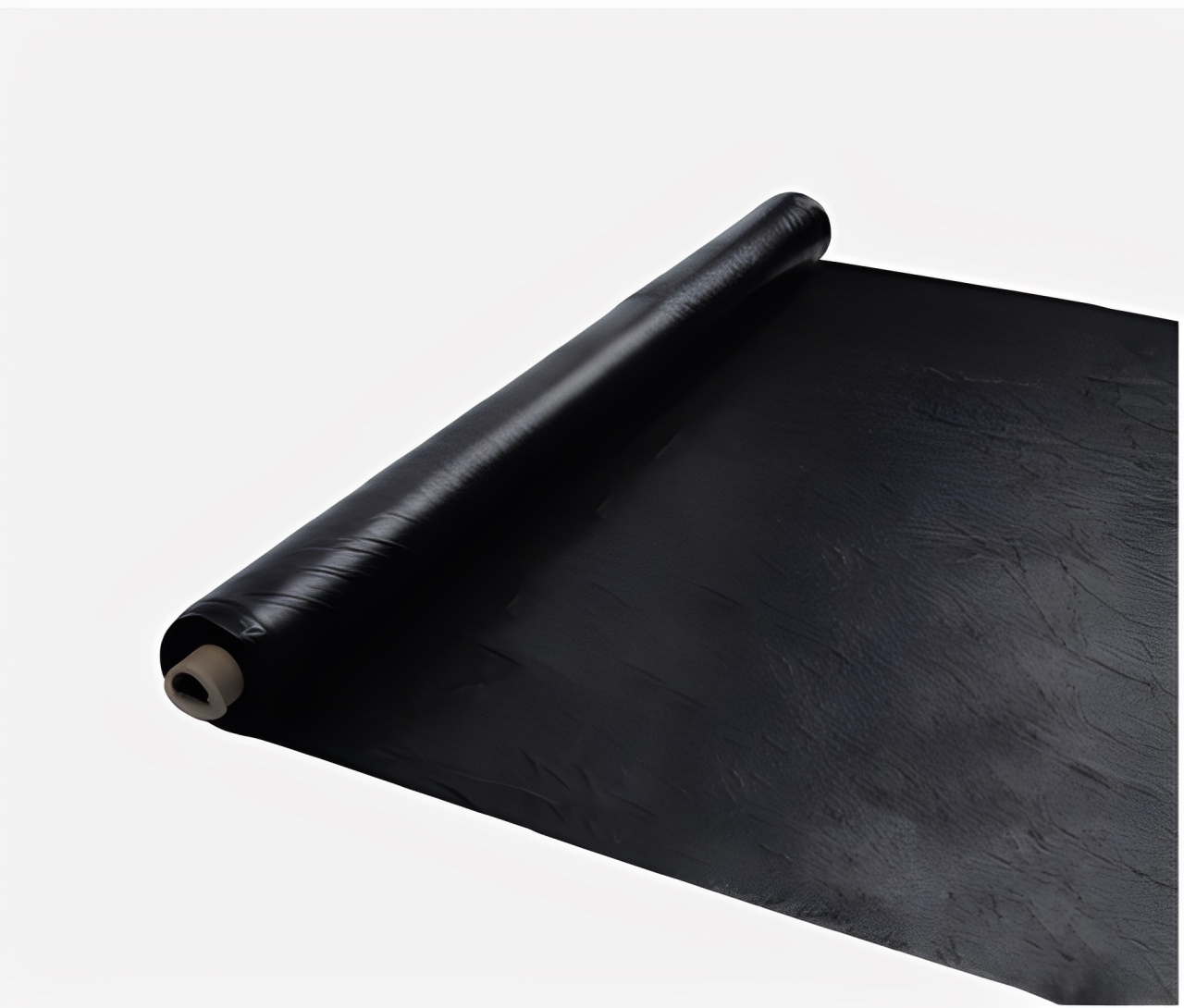
Bamboo Fiber Fully Biodegradable
Black Mulch Film
Induction period 90 days, fully degraded within 360 days
- Bamboo fiber nano-modified for strength approaching conventional PE mulch film.
- Soil improvement: humus released during degradation raises soil organic content and improves soil structure.
- Good breathability and high self-piercing rate, reducing the need for manual film perforation.
- Reduces moisture evaporation, moderates day/night temperature swings, and promotes sugar accumulation in fruit.
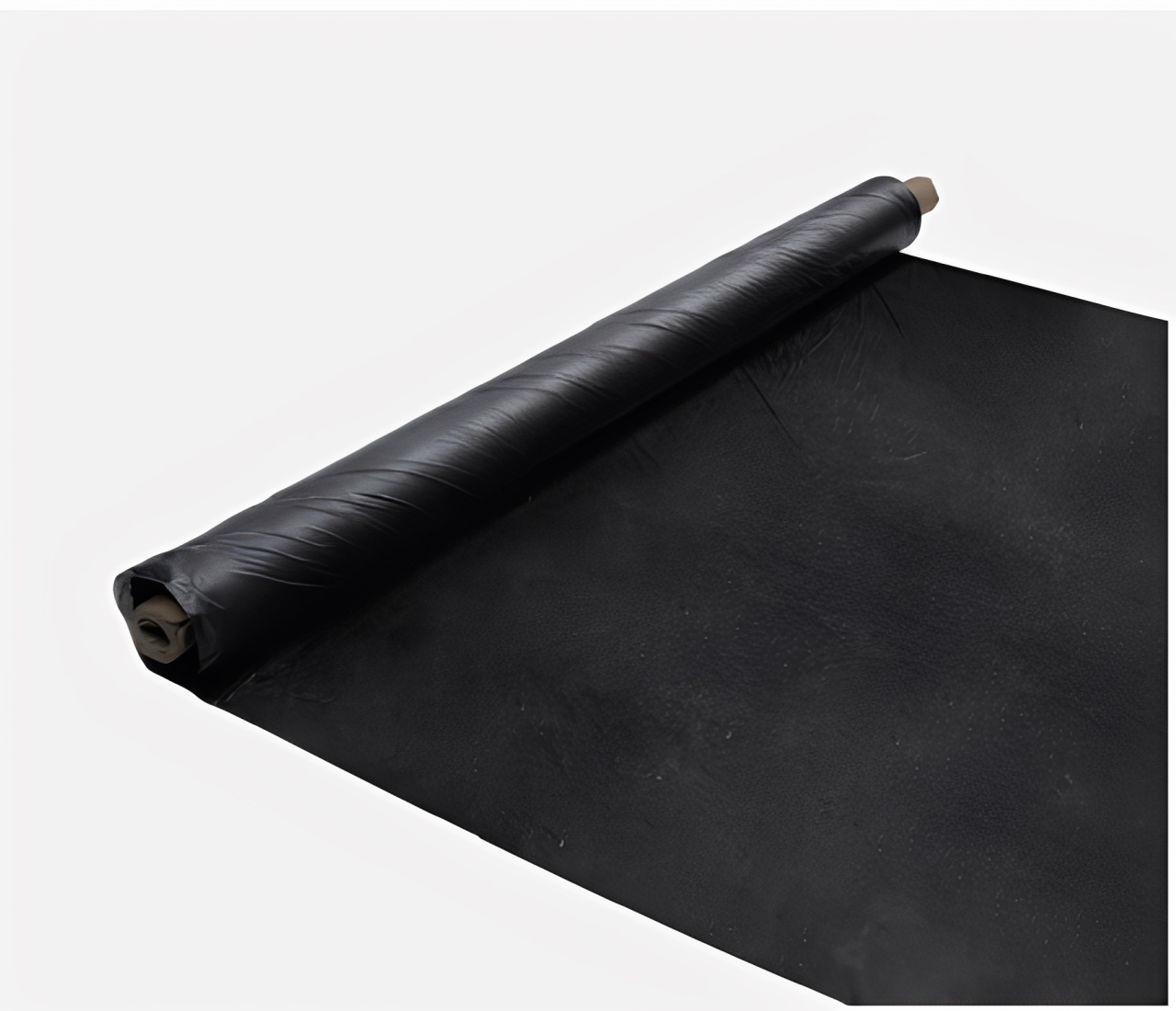
Bamboo Fiber Fully Biodegradable
Silver-Black Mulch Film
Induction period 90 days, fully degraded within 360 days
- Silver side reflects UV light, disrupting aphid, thrip, and other pest transmission vectors.
- Reflective properties promote all-around fruit coloring, improving marketable fruit ratio.
- Black side reduces moisture evaporation, moderates day/night temperature swings, and promotes sugar accumulation.
- Suitable for strawberries, tomatoes, capsicums, and other crops that benefit from reflective light for coloring.
Fully Compostable
No collection needed — self-degrades after harvest
Moisture Retention
Improves water use efficiency by 20%+
Weed Suppression
Reduces weed biomass by 70%+
Documentation Ready
Compostability & degradation test reports available
| Parameter | This Product | PE Mulch Film |
|---|---|---|
| Collection / Removal | No collection needed — self-embrittles and composts | Requires manual or mechanical removal |
| Compost / Residue | Fully composts, zero residue | Non-degradable, residual fragments remain |
| Weed / Moisture | Excellent performance | Good performance |
| Total Cost | Saves labor on collection and disposal | Low material cost but high back-end costs |
Product Deck
Switch the material. Save on labor. Add a selling point.
10-page deck covering degradation evidence, cost comparison, and onboarding
Degradation Cycle
Fully Biodegradable Life Cycle
Bamboo fiber materials degrade completely under natural conditions into water and CO₂. No soil contamination — after composting, the residue becomes organic fertilizer, completing a full natural cycle.
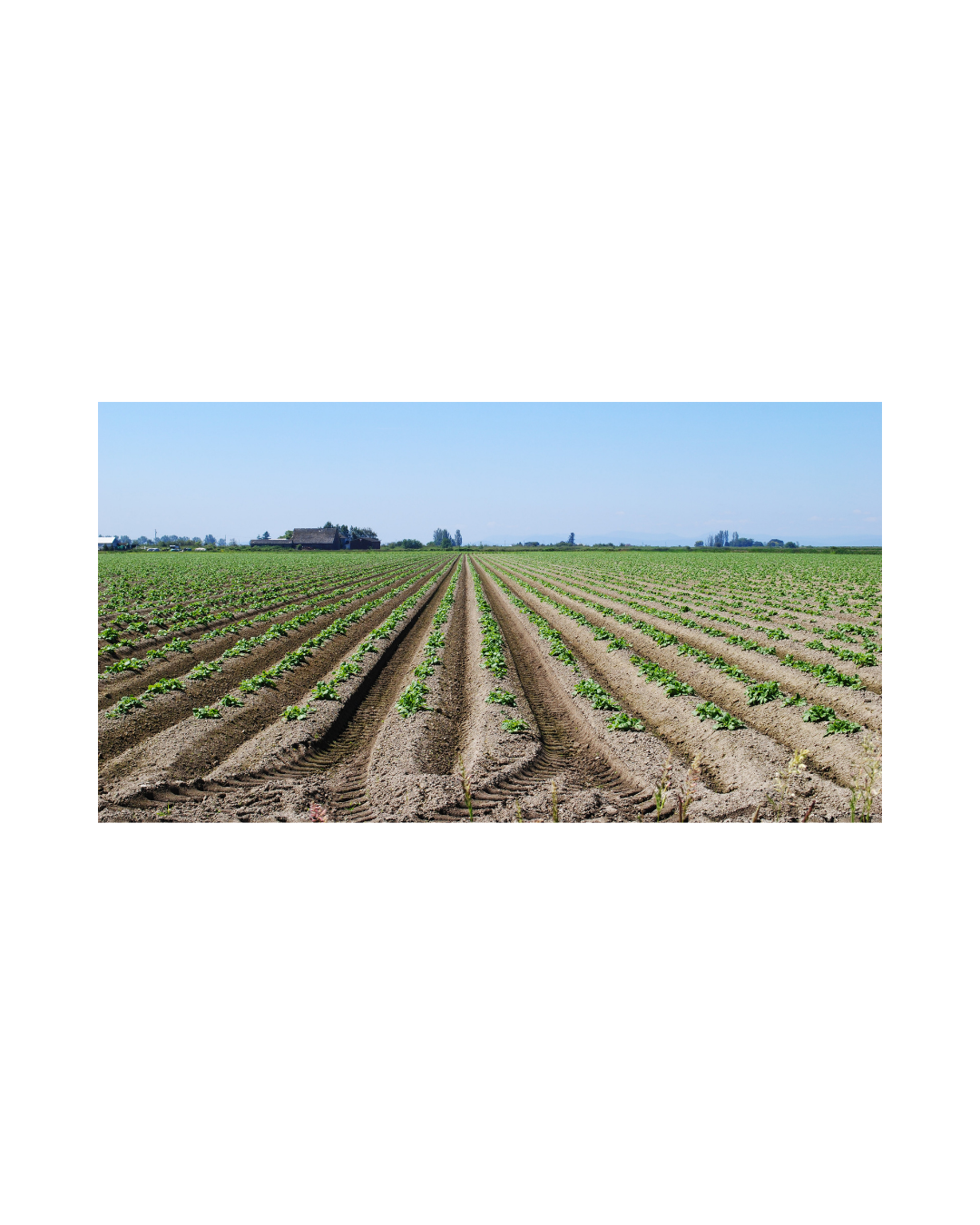
Fully Biodegradable
Life Cycle
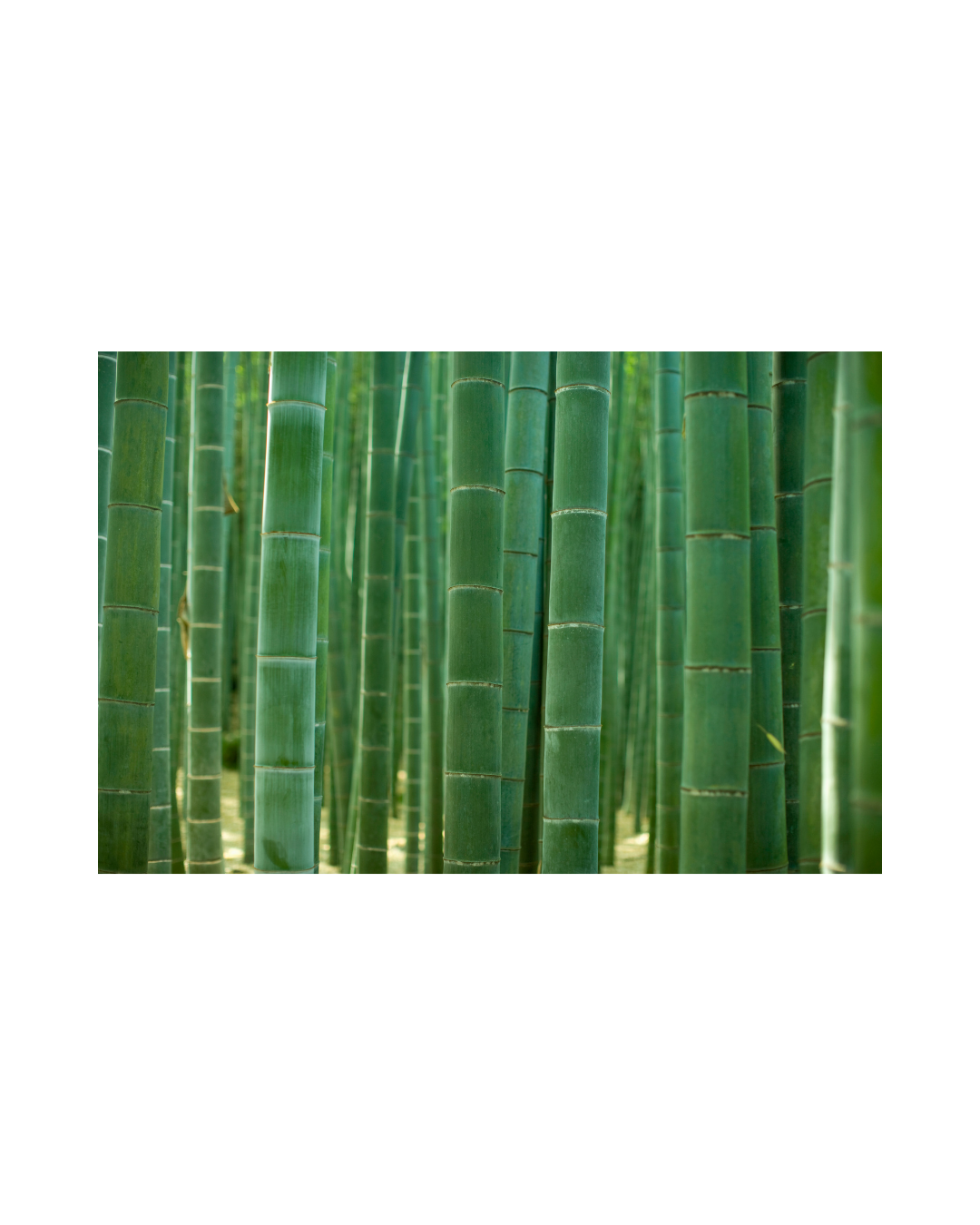
01
Bamboo & bio-based
raw materials
02
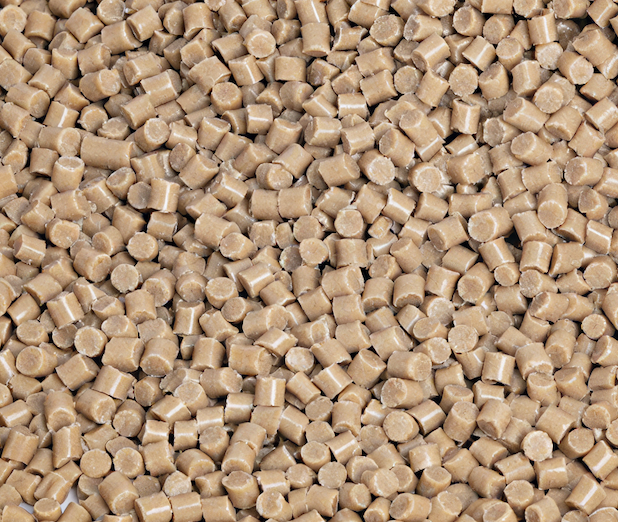
Processed into fully
biodegradable masterbatch
03
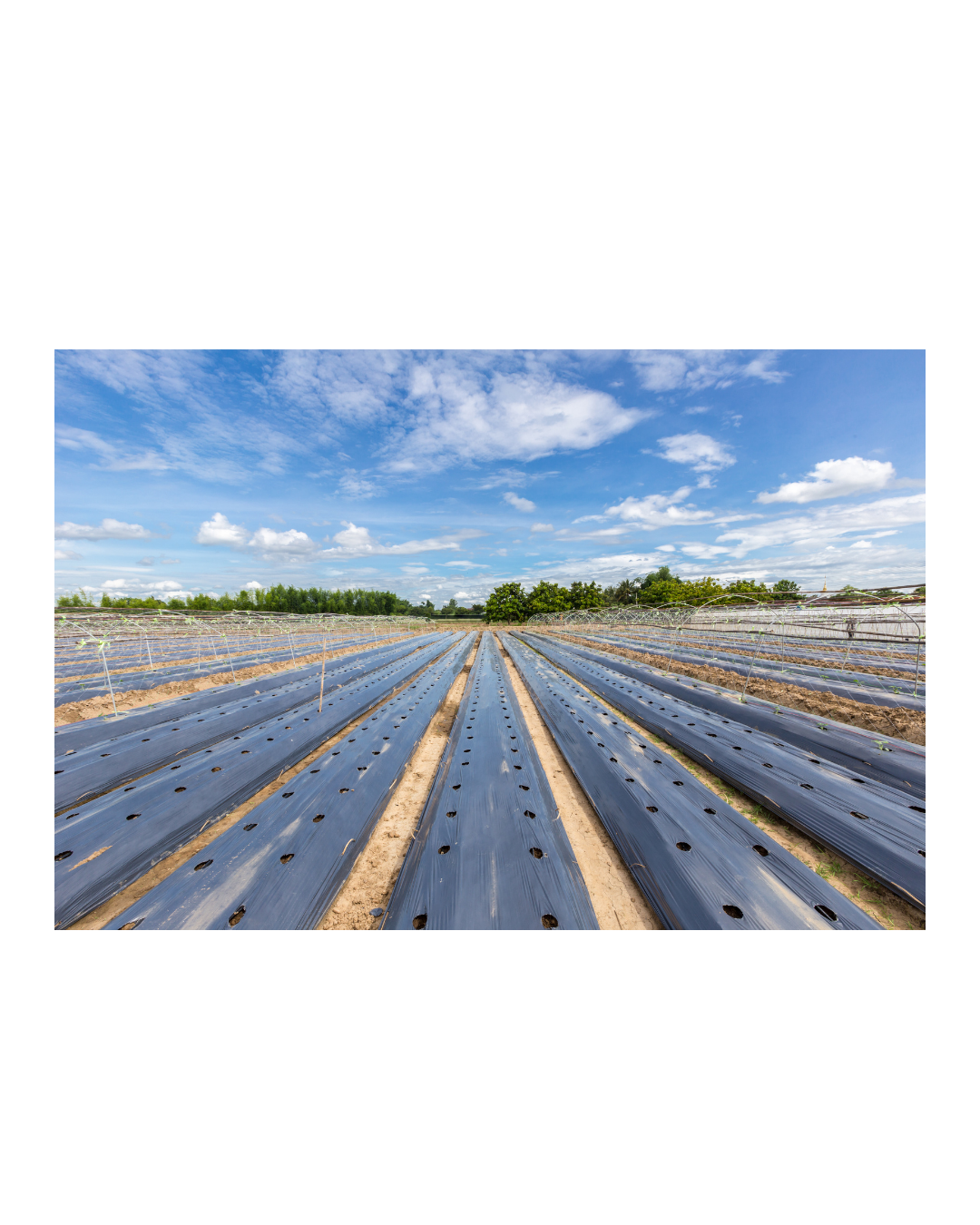
Blown into biodegradable
agricultural mulch film
04
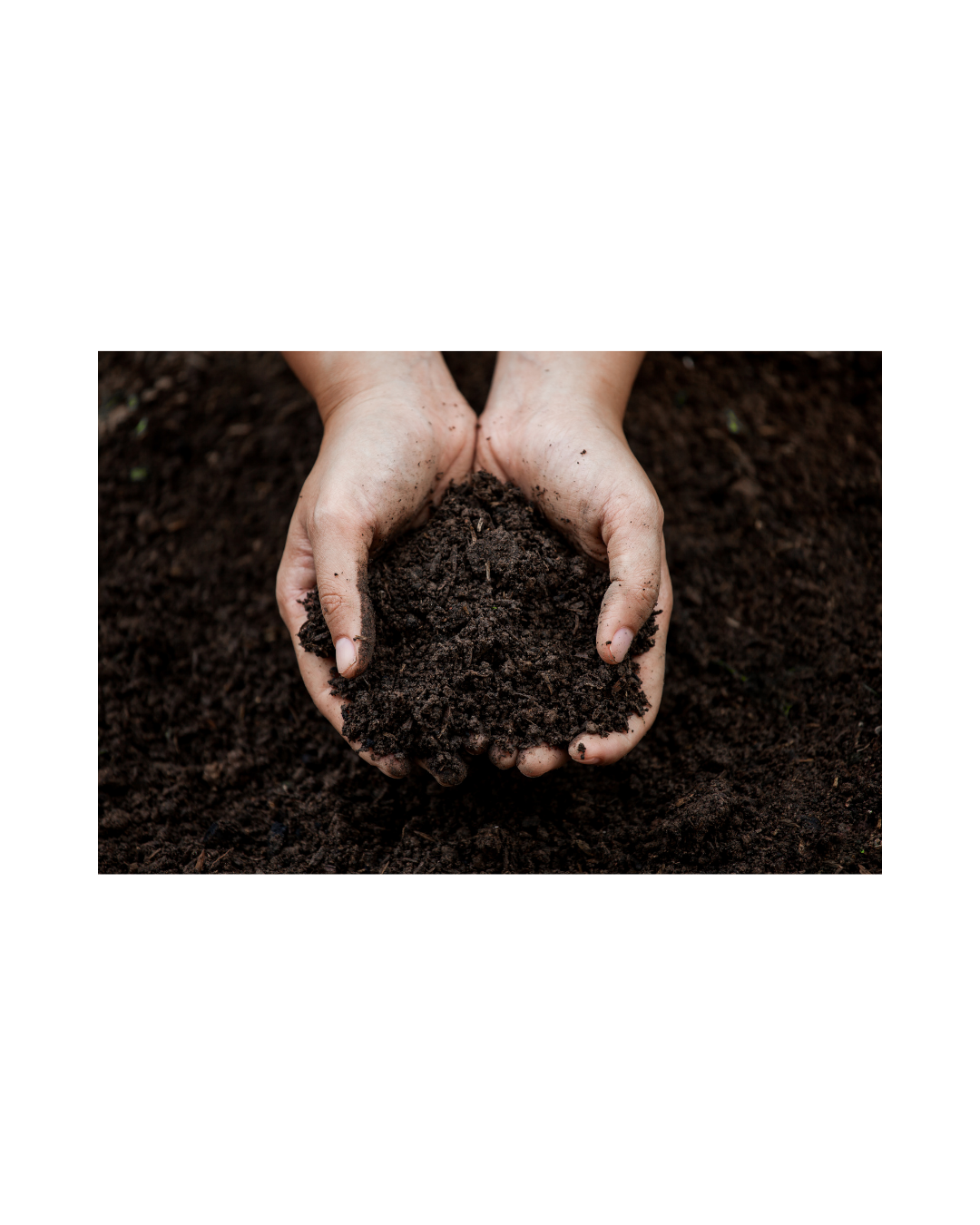
Zero soil pollution —
composts to organic matter
Degradation Process
Five Stages of Degradation
Begins breaking down at 90-day induction; fully degraded within 360 days
01
Induction
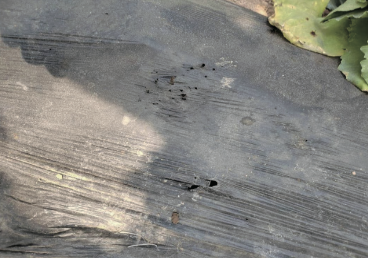
Within approximately 90 days after laying, tiny pinholes begin forming on the surface, though the film still appears mostly intact. UV radiation from sunlight is silently triggering degradation, preparing the film for subsequent cracking.
02
Cracking
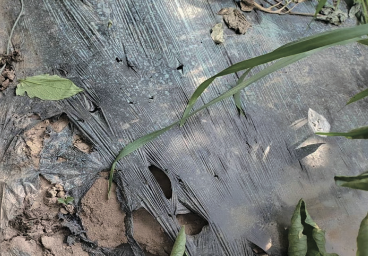
Visible cracks appear across the film, roughly 20 or more micro-fissures per centimeter. At this stage the film is already permeable to water and air, allowing rain and airflow to reach the soil — beneficial to crops.
03
Fracturing
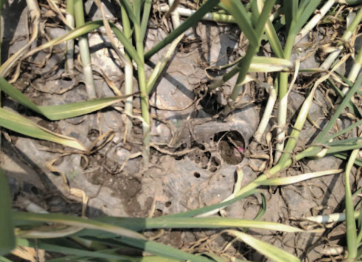
Cracks widen significantly and structural strength drops sharply — the film can no longer withstand tension. Soil microorganisms begin actively breaking down the fiber, entering the rapid collapse stage.
04
Fragmentation
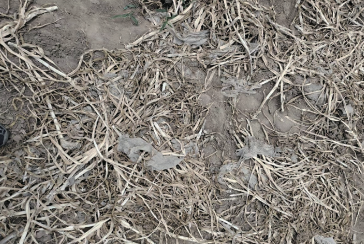
The film breaks into small pieces (largest approximately 10×10 cm). Rain and soil organisms continue fragmenting them further. No manual collection is needed — natural degradation continues on its own.
05
Zero Residue
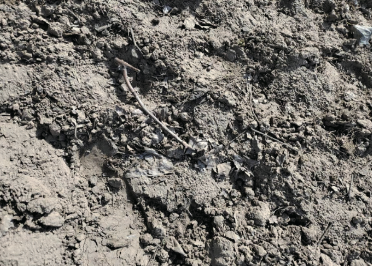
Within 360 days the film has virtually disappeared, with extremely low residual levels. It ultimately breaks down into water, CO₂, and organic matter — returning completely to the soil with no residue.
Scallion Field Comparison
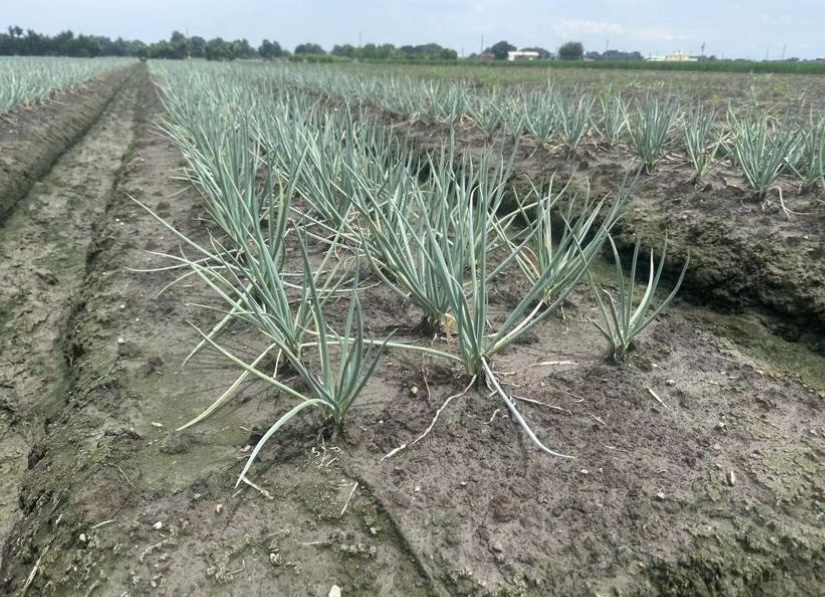
No mulch / degraded film (control)
Scallion field — bare soil, uneven plant growth
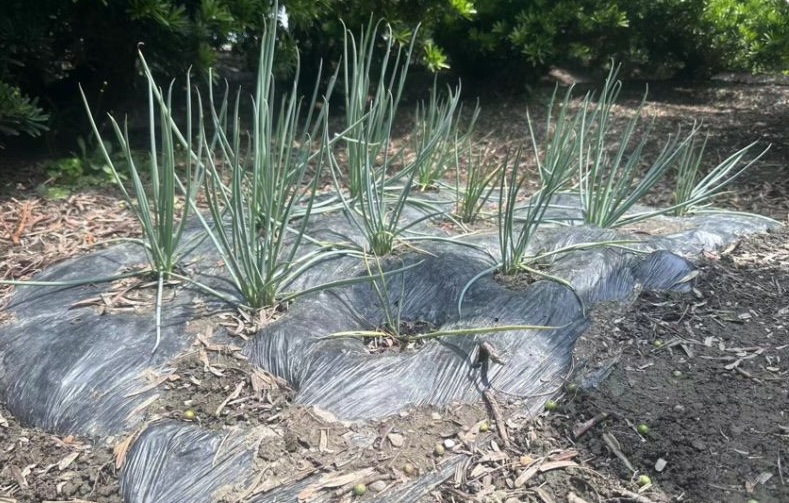
With compostable mulch film
Scallion field — uniform growth, reduced labor
🎥 Field Video Records
Weed suppression field record
Weed suppression field record
Field trial at Zhejiang Jinhua Agricultural Science Institute: bamboo fiber fully biodegradable mulch applied to paddy fields. Weed growth effectively suppressed, reducing manual weeding operations.